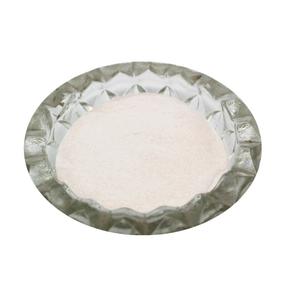
Premium silicon nitride for ceramics, refractories, and electronics. Exceptional quality, reliable supply, and competitive rates.

Beaming Bright: Silicon Nitride Powers Next-Gen Solar Reflectors .

(Progress In The Research Of Silicon Nitride Materials In Solar Reflector Coatings)
Solar power keeps advancing. New products press effectiveness greater. Silicon nitride stands out in reflector coverings. This advancement is entitled to focus. Let’s check out why.
1. What is Silicon Nitride? .
Silicon nitride is a tough ceramic compound. It incorporates silicon and nitrogen atoms. Researchers develop it in laboratories via home heating processes. The result is a hard, grayish powder. This powder changes right into slim films or coatings. In solar tech, it layers onto metal or glass surface areas. Think about it as shield for reflectors. Its structure stands up to wear and deterioration. Unlike plastics, it won’t melt under extreme sunlight. Unlike metals, it stays clear of corrosion. This toughness makes it unique. Engineers call it a “technological ceramic.” It’s not new but solar usages are fresh. Labs currently tweak its pureness for better light control.
2. Why Use Silicon Nitride in Solar Reflector Coatings? .
Solar reflectors need two points. They should jump optimal light. They have to make it through severe conditions. Silicon nitride excels right here. Initially, it mirrors sunlight exceptionally well. Its surface area minimizes light scattering. More photons struck solar cells directly. Second, it laughs at environmental stress. Deserts organize lots of solar ranches. Sandstorms scratch surface areas. Moisture creates decay. Silicon nitride stands up to both. Examinations show it manages UV rays for many years. It additionally remains secure at high temperatures. Traditional coatings like silver taint. Polymers deteriorate. Silicon nitride lasts longer. This cuts substitute expenses. Plants run successfully with less downtime. That’s why scientists bank on it.
3. Just How Silicon Nitride Coatings Work .
Using silicon nitride involves clever methods. One typical means is sputtering. Makers shoot silicon particles onto a base. Nitrogen gas bonds them during finish. This develops a thin, also layer. An additional technique uses chemical vapor. Heated gases deposit silicon nitride particles. The finish density matters. Too slim, and protection falls short. Too thick, and light representation decreases. Designers go for 0.5 to 2 microns. That’s thinner than a human hair. The coating then gets brightened. Level of smoothness boosts reflectivity. Light bounces off like a mirror. Labs likewise include little dopants. Light weight aluminum or oxygen atoms modify performance. These tweaks assist trap roaming light. The objective is absolutely no energy loss per bounce.
4. Applications of Silicon Nitride in Solar Modern Technology .
Silicon nitride isn’t just laboratory concept. It remains in real-world solar arrangements. Concentrated solar energy plants use it most. These plants focus sunshine using gigantic mirrors. Silicon nitride coats these mirrors. It maintains them effective in messy Arizona or Chile. Rooftop solar benefits as well. Tiny reflectors overview light to panels on gloomy days. Drones currently inspect coated mirrors. They look for scrapes or dirt. Area solar tasks check it next. Satellites require ultra-reliable products. Silicon nitride shields orbital reflectors. Past energy, it aids solar food preparation. Reflective stoves make use of more affordable local materials. Covered steel lasts longer in villages. Even art installations adopt it. Solar sculptures stay glossy for years.
5. Frequently Asked Questions Regarding Silicon Nitride Solar Coatings .
Is silicon nitride safe? .
Absolutely. It’s non-toxic and inert. No chemicals leak right into soil or water.
How expensive is it? .
Originally more expensive than silver paint. Yet durability equilibriums cost. Expect 20+ years without recoating.
Can it work with rounded surfaces? .
Yes. Sputtering adapts to shapes. Parabolic recipes use it efficiently.
Does weather impact efficiency? .
Rain slides off its smooth surface. Ice attachment is low. Hail storm examinations reveal small damages just.
Will it replace all other finishings? .
Not totally. Less complex jobs might choose less expensive options. But for critical websites, it’s ending up being requirement.

(Progress In The Research Of Silicon Nitride Materials In Solar Reflector Coatings)
Study races ahead. Teams in Germany and Japan report brand-new solutions. They increase reflectivity by 8% this year. Start-ups test nano-coatings. These self-clean using sunlight. The future looks bright. Solar farms will harvest a lot more power. Upkeep crews relax. All many thanks to a grey ceramic hero.
RELATED POSTS

What is γ-Alumina?

What is Magnesium Nitride
Research Breakthroughs In The Preparation Of High-Temperature Structural Ceramic Adhesives For Silicon Nitride Powder
Lawsuit Claims that Skittles are ‘Unfit for Human Consumption’ because of Titanium Dioxide
Is waterproof cement really waterproof? nanoscience and nanomaterials