Premium silicon nitride for ceramics, refractories, and electronics. Exceptional quality, reliable supply, and competitive rates.

Title: Silicon Nitride Ceramics: The Trump Card for Flawless Optical Coatings
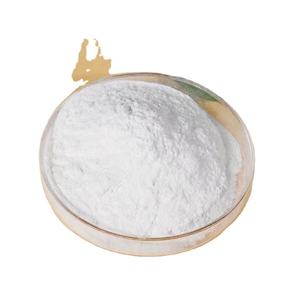
(Silicon Nitride Ceramics Have Excellent Performance In Precision Optical Coating Substrates)
1. Just What Are Silicon Nitride Ceramics? .
Silicon nitride ceramics are advanced materials. They are made mainly from silicon and nitrogen. Designers develop them under really high warm and stress. This procedure makes them incredibly solid. They resemble steel yet are lighter. They take care of extreme temperatures without damaging. These porcelains withstand deterioration well. They do not respond with most chemicals. Their surface is extremely smooth. This level of smoothness is excellent for accuracy work. In optics, smooth surface areas matter a lot. Silicon nitride provides that. It’s a top option for requiring applications. Assume aerospace, clinical tools, or high-end electronics. These ceramics are difficult and reliable. They last much longer than steels in harsh problems. Their one-of-a-kind structure makes them special.
2. Why Silicon Nitride Dominates Optical Finishing Substrates .
Optical finishings require an excellent base. Silicon nitride ceramics supply that. Their thermal stability is essential. Warm makes several products warp or fracture. Silicon nitride stays well-founded. This stability maintains coverings accurate. Vibration damages optical clarity. These ceramics wet resonances efficiently. Surface quality matters for finishes. Silicon nitride uses near-perfect flatness. Coatings stick better to it. Less flaws indicate much better performance. Durability is an additional win. Optics operate in challenging settings. Humidity, salt, or chemicals attack weak products. Silicon nitride resist. It doesn’t wear away or weaken. Performance remains regular over years. Expense issues also. Fewer replacements save cash. Effectiveness boosts.
3. Just How Silicon Nitride Substrates Are Created Optics .
Making these ceramics is exact science. It starts with pure silicon powder. Nitrogen gas is added under high pressure. Severe warmth binds them with each other. This is called sintering. The outcome is a dense, hard product. Next off comes shaping. Grinding equipments brighten surfaces. They attain nanometer-level smoothness. Flatness is critical. Any contour distorts light. Lasers check every item. Faulty ones get denied. Layer readiness is the final action. Surface areas obtain ultra-cleaned. No dirt or oil can remain. Unique therapies enhance adhesion. Each substrate is tested rigorously. Thermal shock examinations prevail. Fast heating and cooling confirm toughness. Just the very best pass. This ensures dependability in real-world optics.
4. Real-World Applications: Where Silicon Nitride Radiates .
Silicon nitride substrates are almost everywhere in state-of-the-art optics. Satellite mirrors use them. Room needs materials that endure extreme cold and radiation. These ceramics provide. Laser systems depend upon them. High-power lasers create extreme heat. Silicon nitride manages it. Clinical imaging gadgets benefit also. MRI and CT scanners need stable components. Quality saves lives. Semiconductor producing uses them. Lithography machines layer silicon wafers. Accuracy is non-negotiable. Protection optics rely upon them. Armed forces gear encounters sand, water, and effects. Resilience is important. Even customer technology uses them. Camera lenses and virtual reality headsets require excellence. Silicon nitride makes it feasible.
5. Frequently Asked Questions About Silicon Nitride in Optical Coatings .
Q: Is silicon nitride breakable like regular ceramics? .
A: No. It’s much harder. Its framework withstands cracking. It bends somewhat under stress. This avoids unexpected failure.
Q: Can it take care of fast temperature level modifications? .
A: Yes. Its low thermal development assists. It won’t fracture when heated or cooled down quick. This is vital for room optics.
Q: Just how does it compare to aluminum or glass substratums? .
A: It defeats both. Light weight aluminum flexes with heat. Glass shatters easily. Silicon nitride stays secure and strong.
Q: Is it expensive? .
A: At first, yes. Yet it lasts much longer. Fewer substitutes reduced prices. Performance gets warrant the cost.
Q: What about finish bond? .
A: Superb. The smooth surface bonds tightly with finishings. Less bubbles or peels off mean much better optics.
Q: Can it be reused? .
A: Not conveniently yet. Research continues. Yet its lengthy life lowers waste.
Q: Any size limitations for substratums? .
A: Modern tech makes huge panels. Yet huge pieces need added treatment. The majority of basic dimensions function fine.
Q: Does it work with all finish types? .

(Silicon Nitride Ceramics Have Excellent Performance In Precision Optical Coating Substrates)
A: Mostly yes. Steel, dielectric, or crossbreed coatings stick well. Surface area prep ensures compatibility.
RELATED POSTS

Nanotechnology Everywhere
The Innovative Application Of Silicon Nitride Powder In Biocompatible Materials Has Attracted Attention
what factors affect the value of the apparent density of a silicon nitride powder?

Silicon Nitride Si3N4 Powder CAS 12033-89-5

Material growth of gallium nitride
