Premium silicon nitride for ceramics, refractories, and electronics. Exceptional quality, reliable supply, and competitive rates.

Silicon Nitride Powder: The Game-Changer for High-Performance Ceramic 3D Printing

(Silicon Nitride Powder Has Significant Effects In Special Ceramic 3d Printing Materials)
Forget ordinary ceramics. The real magic in advanced 3D printing happens with materials pushing the limits. Silicon nitride powder is that magic. This unassuming powder is transforming how we build complex, super-tough ceramic parts. It unlocks possibilities traditional methods simply can’t touch. Let’s dive into why silicon nitride powder is the secret weapon for next-level ceramic 3D printing.
1. What Exactly is Silicon Nitride Powder?
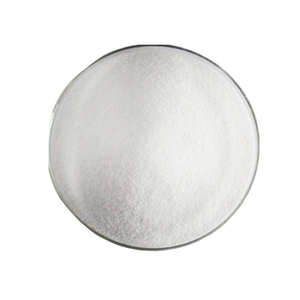
Silicon nitride powder is a super-fine ceramic material. It looks like a simple white or grayish powder. But its structure is incredibly strong. It’s made from silicon and nitrogen atoms bonded tightly together. This creates a material with amazing properties. Think exceptional strength, incredible resistance to heat, and toughness that laughs at wear and tear. It doesn’t melt easily. It stands up to chemical attacks. It handles thermal shock like a champ. This powder is the raw ingredient. It’s the starting point for creating complex silicon nitride ceramic components using 3D printing. Making the powder pure and consistent is crucial. The particle size and shape matter a lot for successful printing. Good powder flows smoothly. It packs densely. This ensures the final printed part is strong and defect-free.
2. Why is Silicon Nitride Powder Perfect for Ceramic 3D Printing?
Ceramic 3D printing needs materials that can handle the process. It also needs materials that deliver top performance. Silicon nitride powder fits perfectly. First, its properties are ideal for demanding applications. It offers strength rivaling some metals. It handles temperatures exceeding 1000°C easily. This makes it great for jet engines, turbines, and high-heat industrial parts. Second, the powder itself is well-suited for printing techniques like binder jetting or material extrusion. It flows well. It layers consistently. It bonds effectively during printing. Third, silicon nitride’s biocompatibility opens doors for medical implants. Its electrical insulation properties are valuable in electronics. Traditional ceramic shaping struggles with complex geometries. 3D printing overcomes this. Using silicon nitride powder means we can print intricate, high-strength ceramic parts impossible to make before. This combination of material properties and printability is unique.
3. How Does Silicon Nitride Powder Work in 3D Printing?
The journey from powder to finished part involves several key steps. It starts with preparing the silicon nitride powder. The powder must be very fine. It must have a controlled particle size distribution. Good flow is essential. Next comes the printing process itself. Common methods include Binder Jetting. Here, a print head deposits a liquid binder onto thin layers of powder. This selectively glues the powder particles together. Layer by layer, a “green part” forms. Another method is Material Extrusion. Here, the silicon nitride powder is mixed with binders into a paste. This paste is squeezed out through a nozzle, building the part layer by layer. After printing, the green part is fragile. It contains binders holding the powder together. The part then goes through debinding. This carefully removes most of the binder material. Finally, sintering is critical. The part is heated to very high temperatures, often over 1700°C. During sintering, the silicon nitride particles fuse together. The part shrinks significantly. It densifies. This transforms the fragile green part into a dense, strong, final ceramic component. Controlling every step is vital for success.
4. Where is Silicon Nitride 3D Printing Making Waves?
The unique strengths of silicon nitride powder printed parts are finding exciting uses. Aerospace and defense are major players. Think turbine blades, rocket nozzles, and heat shields. These parts face extreme heat and stress. Silicon nitride handles it. The automotive industry benefits too. Components for high-performance engines and exhaust systems benefit from its heat resistance. Wear parts like bearings and seals last much longer. Medical implants are a breakthrough area. Silicon nitride is biocompatible. It bonds well with bone. 3D printing allows custom, complex implants like spinal cages or dental roots. The industrial sector uses it for cutting tools, wear-resistant liners, and components in harsh chemical environments. Electronics also leverage its insulating properties for substrates and high-heat components. Rapid prototyping is another key application. Engineers can quickly test complex silicon nitride part designs before committing to expensive tooling. This saves time and money.
5. Silicon Nitride Powder in 3D Printing: Your Top Questions Answered
People exploring this technology often ask similar questions. Here are clear answers.
Is silicon nitride powder expensive? Yes, generally more than common ceramic powders like alumina. High purity and specialized processing contribute to the cost. However, the performance benefits often justify the investment for critical applications. The ability to create complex shapes without machining also saves costs.
Is it safe to handle? Like many fine powders, caution is needed. Avoid breathing it in. Good ventilation and protective masks are essential during handling and processing. Follow all safety data sheet instructions.
Can any 3D printer use it? No. Standard plastic printers cannot handle ceramic powders. Specialized printers designed for ceramics are required. These include binder jetting systems or paste extrusion systems capable of high temperatures.
What are the biggest challenges? Controlling the entire process is tough. Powder quality is paramount. Debinding must be precise to avoid cracks. Sintering requires very high temperatures and careful atmosphere control. Achieving consistent density and minimizing shrinkage distortion are ongoing challenges. It’s complex, requiring expertise.
How strong are the final parts? Very strong. Sintered silicon nitride parts made via 3D printing can achieve impressive mechanical properties. They approach the strength of parts made by traditional methods. They offer excellent fracture toughness, high hardness, and superb thermal shock resistance. Performance is constantly improving as processes mature.

(Silicon Nitride Powder Has Significant Effects In Special Ceramic 3d Printing Materials)
Where can I get silicon nitride powder for 3D printing? Several specialized ceramic powder suppliers offer grades optimized for additive manufacturing. Availability is increasing as demand grows. Expect to work closely with suppliers to get the right specifications.
RELATED POSTS
The Application Advantages Of Silicon Nitride Materials In Led Heat Dissipation Substrates Are Obvious

ESA’s first on-orbit 3D-printed object "comes out." thoriated tungsten
Brief Introduction of the Development of HIV Rapid Detection Kit and at home hiv test walgreens

Advancements in Spherical Tantalum Powder: Shaping the Future of High-Tech Industries and Sustainable Manufacturing tantalum price per gram
Bismuth Oxide Bi2O3 Powder Supplier