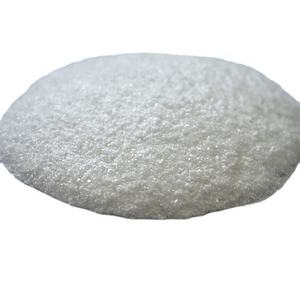
Premium silicon nitride for ceramics, refractories, and electronics. Exceptional quality, reliable supply, and competitive rates.

Silicon Nitride Ceramics: The Secret Superhero in Your Semiconductor Lab

(Silicon Nitride Ceramics Have Excellent Performance In The Manufacture Of Semiconductor Equipment Accessories)
Building the tiny brains powering our phones, computers, and cars demands incredible precision. Every piece inside those complex machines matters. Lately, one special material has become a star player in making these critical parts: silicon nitride ceramics. Forget the boring image of regular ceramics. This is high-tech stuff, built tough for the demanding world of semiconductor manufacturing. It’s like finding the perfect tool for the hardest job. Let’s explore why silicon nitride is causing such a buzz in cleanrooms worldwide.
1. What Exactly Are Silicon Nitride Ceramics?
You might think of ceramics as plates or tiles. Silicon nitride ceramics are different. They are advanced, engineered materials. They are made mostly from silicon and nitrogen atoms bonded together tightly. Making them involves very high temperatures and special processes. The result is a material that looks like ceramic but acts like a superhero. It’s incredibly hard, almost like diamond. It’s also very stiff and doesn’t easily bend or warp under pressure. Unlike metal, it doesn’t rust or corrode easily. It can handle very high heat without melting. It’s also a good electrical insulator, meaning electricity doesn’t pass through it easily. Think of it as a super-tough, heat-resistant, non-conductive wonder material. It’s not your grandma’s china. It’s designed for the most challenging industrial jobs, especially building the machines that make computer chips.
2. Why Are Silicon Nitride Ceramics Perfect for Semiconductor Tools?
Building semiconductor equipment is tough. The machines need to be super precise. They work in extreme conditions. They handle harsh chemicals. They face intense heat and plasma. They must last a long time without failing. Silicon nitride ceramics shine in all these areas. Their incredible hardness means parts don’t wear out quickly. This keeps machines running accurately longer. Their high strength and stiffness mean parts don’t bend or flex under load. This is vital for nanometer-level precision. Their excellent thermal shock resistance is crucial. Semiconductor processes often involve rapid heating and cooling. Regular materials might crack. Silicon nitride handles these sudden changes easily. It doesn’t corrode when exposed to the aggressive chemicals used in chip making. It also acts as an insulator, preventing unwanted electrical currents. This protects sensitive electronic components. Plus, it doesn’t produce much dust or particles, which is essential in the ultra-clean environments of fabs. Simply put, silicon nitride helps make semiconductor equipment more reliable, precise, and durable.
3. How Are Silicon Nitride Ceramic Parts Made?
Creating complex parts from silicon nitride isn’t simple. It starts with very fine, pure powders of silicon and nitrogen compounds. These powders are mixed together carefully. Sometimes other additives are included to improve properties. The mixed powder is then shaped. This shaping can be done in several ways. Pressing the powder into a mold under high pressure is common. Another method is injection molding, where the powder is mixed with a binder and injected into a mold, like plastic. After shaping, the part is still fragile. It’s called a “green” part. Next comes a crucial step: sintering. The green part is heated in a special furnace to very high temperatures, often over 1700°C. But there’s no melting. Instead, the powder particles bond together tightly at these extreme heats. This process shrinks the part and makes it dense and strong. After sintering, precision machining is often needed. Diamond tools are used because silicon nitride is so hard. Grinding and polishing achieve the exact dimensions and smooth surfaces required for semiconductor equipment. Every step requires careful control to ensure top quality.
4. Where Are Silicon Nitride Ceramics Used in Semiconductor Equipment?
Look inside modern chip-making machines, and you’ll likely find silicon nitride ceramics working hard. One major use is in wafer handling. Think of the thin silicon wafers chips are built on. They need to be moved, held, and positioned very carefully. Silicon nitride is used for end-effectors on robot arms. These are the “fingers” that pick up wafers. The material’s stiffness prevents bending, ensuring precise placement. Its smooth surface and non-contaminating nature protect the wafers. Another big area is process chambers. These are where the actual chip etching or deposition happens. Silicon nitride is used for parts like showerheads. These parts distribute gases evenly across the wafer. They face hot plasmas and corrosive gases. Silicon nitride withstands this abuse better than many metals. It’s also used for susceptors, which hold wafers during heating. Its thermal properties are ideal here. Other uses include insulators, heater components, and critical fixtures within inspection tools. Anywhere extreme precision, heat, chemical resistance, and cleanliness are needed, silicon nitride ceramics are becoming the go-to choice.
5. FAQs About Silicon Nitride Ceramics in Semiconductors
Are silicon nitride ceramics brittle like regular ceramics? Yes, they are a type of ceramic, so they can fracture if hit very hard. But their exceptional strength and toughness make them much more resistant to breakage than ordinary ceramics. They are engineered for toughness.
How long do silicon nitride parts last compared to metal parts? Often much longer. Their extreme wear resistance means they don’t degrade like metals can. This leads to less frequent part replacements, less machine downtime, and lower costs over time.
Is silicon nitride more expensive than metal? Initially, yes, the raw material and processing costs can be higher. But when you factor in the longer lifespan, reduced downtime, and improved process yield (more good chips), silicon nitride parts often provide a better overall value.
Can silicon nitride handle all the chemicals used in chip making? It has excellent resistance to most acids, bases, and solvents common in semiconductor fabs. However, very specific, extremely harsh chemicals might require checking suitability. It’s generally far more resistant than stainless steel.

(Silicon Nitride Ceramics Have Excellent Performance In The Manufacture Of Semiconductor Equipment Accessories)
Why not use silicon carbide? It’s also a hard ceramic. Both are great materials. Silicon carbide has its strengths, like even higher thermal conductivity. Silicon nitride often has better thermal shock resistance and fracture toughness. The choice depends on the specific part and its exact requirements. Silicon nitride excels in applications needing a balance of toughness, thermal stability, and chemical resistance.