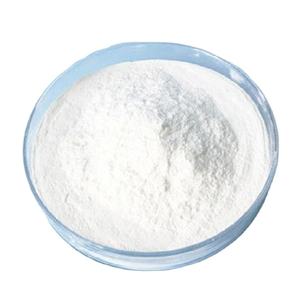
Premium silicon nitride for ceramics, refractories, and electronics. Exceptional quality, reliable supply, and competitive rates.

Okay, here is the revised title and the blog post crafted according to your specifications.

(Research Progress Of Silicon Nitride Powder In The Preparation Of Special Ceramic Injection Molding Materials)
Revised Title: Silicon Nitride Powder: The Tiny Titan Behind Tougher, Smarter Ceramics
Blog Post:
1. What is Silicon Nitride Powder?
Think of silicon nitride powder as the super strong building block for some really tough ceramics. It’s a fine, gritty material made up of silicon and nitrogen atoms bonded together in a specific way. This structure is key. It gives silicon nitride its incredible strength. It’s like the difference between building a house with straw versus bricks. Silicon nitride powder is the high-tech brick.
This powder isn’t just strong. It’s also amazingly resistant to heat. It doesn’t melt easily, even when things get really hot. It’s also very hard, meaning it doesn’t scratch or wear down quickly. Another cool thing is its low density. This means parts made from it can be strong but also surprisingly light. These properties make silicon nitride powder perfect for making advanced ceramics. These ceramics are used in places where regular materials just can’t handle the pressure or the heat.
2. Why is Silicon Nitride Powder So Important?
Why all the fuss about this particular powder? The answer lies in the special demands of modern technology. We need materials that can perform in extreme conditions. Think about the inside of a jet engine. It’s incredibly hot and parts spin very fast. Or imagine a cutting tool that needs to slice through tough metals without wearing out. Standard metals or plastics often fail here. They melt, they warp, they break.
Silicon nitride ceramics, made from this powder, thrive in these tough spots. Their combination of strength, heat resistance, and toughness is hard to match. They resist cracking under stress much better than many other ceramics. This toughness is crucial. It means parts are less likely to suddenly break. This reliability is vital in critical applications. Using silicon nitride powder lets engineers create components that last longer and perform better. This pushes the boundaries of what machines and devices can do.
3. How Do We Turn Silicon Nitride Powder into Complex Ceramic Shapes?
Getting from a pile of powder to a finished, complex ceramic part is tricky. This is where Ceramic Injection Molding (CIM) comes in. It’s a powerful manufacturing technique. It allows us to shape silicon nitride powder into intricate forms that would be impossible or very expensive with older methods. Think about parts with tiny holes, complex curves, or fine details. CIM makes these achievable.
The process starts by mixing the silicon nitride powder with special binders. These binders are like a temporary glue. They hold the powder particles together and make the mixture flow like plastic. This mixture, called a feedstock, is then injected under high pressure into a mold. The mold has the exact shape of the desired part. It cools down, and we get a “green” part. This green part holds its shape but is still fragile because of the binders.
Next, we remove the binders carefully. This step is called debinding. It must be done slowly to avoid damaging the part. After the binders are gone, only the silicon nitride powder skeleton remains. Then comes sintering. The part is heated to a very high temperature, but below its melting point. The powder particles fuse together tightly. This creates a dense, strong, solid ceramic part. The result is a near-net-shape component. It needs little or no final machining. This saves time and money.
4. Where Do We Use These Silicon Nitride Ceramic Parts? (Applications)
Silicon nitride ceramics made via CIM are popping up everywhere high performance is needed. Here are some key areas:
The Sky’s the Limit (Aerospace): Jet engines demand materials that can handle extreme heat and stress. Silicon nitride components like bearings, turbine blades, and fuel system parts are used. They reduce weight and improve efficiency. This helps planes fly farther and cleaner.
Cutting Through the Competition (Industrial Tools): In factories, cutting tools and wear parts made from silicon nitride last much longer than traditional tools. They stay sharp. They handle high-speed machining of tough metals. This means less downtime and lower costs for manufacturers.
Strong Support (Bearings & Mechanical Parts): Silicon nitride bearings are superstars. They run smoother, last longer, and need less lubrication than steel bearings. This is perfect for high-speed applications like machine tools or even some car components. They are also corrosion-resistant.
Inside You (Medical Implants): The human body is a tough environment. Silicon nitride is biocompatible. It works well inside the body. It’s used for spinal fusion devices and other implants. It’s strong, wear-resistant, and doesn’t cause bad reactions.
Powering Up (Energy & Electronics): In energy production, silicon nitride parts handle hot, corrosive environments. Think components in gas turbines or heat exchangers. In electronics, it serves as insulating substrates or heat sinks. It manages heat effectively in powerful devices.
5. Silicon Nitride Powder & CIM: Answering Your Questions (FAQs)
People often have questions about this material and how it’s made. Here are some common ones:
Isn’t Silicon Nitride Powder Expensive? Yes, it generally costs more than simpler ceramic powders like alumina. The raw materials and the processing to get high-quality powder add to the price. But, the superior performance often justifies the cost. Longer part life and better efficiency save money in the long run.
Are There Alternatives to Silicon Nitride? Definitely. Materials like alumina, zirconia, or silicon carbide are also used for advanced ceramics. Each has its own strengths. Silicon nitride often wins when you need the best combination of strength, toughness, and heat resistance. It’s especially good where high reliability is critical.
Is CIM the Only Way to Shape Silicon Nitride? No, but it’s often the best for complex shapes. Other methods include pressing powder into simple shapes (dry pressing), shaping it like clay (slip casting), or machining blocks (but that’s slow and wasteful). CIM offers great design freedom and efficiency for intricate parts.
Are Parts Made This Way Ready to Use Right After Sintering? Mostly yes! That’s a big advantage of CIM. The process creates parts very close to the final size and shape (near-net-shape). Usually, only minor finishing or polishing might be needed. This avoids the high cost and time of extensive machining.

(Research Progress Of Silicon Nitride Powder In The Preparation Of Special Ceramic Injection Molding Materials)
Is Silicon Nitride Safe to Handle? The powder itself needs care. Like many fine powders, it shouldn’t be inhaled. Proper safety gear like masks is important during handling. Once sintered into a solid ceramic part, it’s safe and stable. It doesn’t release particles or chemicals under normal conditions.
RELATED POSTS
The Innovative Application Of Silicon Nitride Powder In The Insulation System Of New Energy Vehicle Motors
The Key Role Of Silicon Nitride Materials In Electronic Packaging Thermal Conductive Adhesives Is Recognized
Electric energy storage lithium battery enterprises in a double super multi – strong pattern will affect the price of graphene oxide nac
The Application Research Of Silicon Nitride Powder In The Field Of New Energy Continues To Deepen
Perovskite solar cells have ultra-long stability the new material Ti6Al4V Powder application