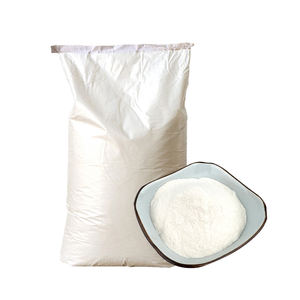
Premium silicon nitride for ceramics, refractories, and electronics. Exceptional quality, reliable supply, and competitive rates.

Silicon Nitride: The Secret Superhero Behind Solar Reflector Brackets

(The Excellent Performance Of Silicon Nitride Materials In The Manufacture Of Solar Reflector Brackets)
Imagine a material tough enough to handle blazing sun, freezing nights, and decades of wear and tear. Now imagine that material helping us capture more clean energy from the sun. That’s the story of silicon nitride materials stepping into the spotlight for solar reflector brackets. This isn’t just about a new part; it’s about a material upgrade making solar power plants more efficient and long-lasting. Let’s explore why silicon nitride is becoming the go-to choice.
1. What Exactly is Silicon Nitride?
Silicon nitride is a special kind of ceramic. It’s made mainly from silicon and nitrogen atoms bonded together. Think of it like super-tough pottery, but way more advanced. Scientists create it by heating those elements under very specific conditions. The result is a material that’s incredibly hard and strong. It’s not like metal. It doesn’t bend easily. Instead, it resists breaking under pressure. It also handles heat like a champ. These properties make it stand out. In the world of engineering materials, silicon nitride is known for its reliability in tough jobs. For solar power, especially the big plants with mirrors, it’s proving its worth in holding those mirrors steady.
2. Why Choose Silicon Nitride for Brackets?
Solar reflector brackets have a tough job. They hold large mirrors that focus sunlight onto a receiver. These mirrors need to stay perfectly aligned. The brackets sit outdoors all day, every day. They face scorching heat from concentrated sunlight. They endure cold nights. Rain, wind, dust – the elements never stop. Ordinary materials can struggle. Metals might bend slowly over time or rust. Some plastics can’t take the heat. This is where silicon nitride shines. Its biggest strength is resisting heat without changing shape. It doesn’t expand much when hot or shrink much when cold. This stability is crucial for keeping the mirrors pointed right. It’s also incredibly resistant to wear. Sand or dust blowing against it won’t wear it down quickly. It doesn’t corrode like metal. This means brackets last much longer. Less replacement means lower costs over time. Silicon nitride handles the pressure without complaining.
3. How is Silicon Nitride Shaped into Brackets?
Making parts from silicon nitride is different from working with metal. You can’t just melt it and pour it into a mold like steel. Instead, it starts as a fine powder. This powder is mixed with special binders. These binders act like glue holding the powder particles together temporarily. The mixture is then pressed into the shape of the bracket. Think of it like pressing clay into a mold. This pressed shape is called a “green part”. It’s still fragile. Next comes a very important step: sintering. The green part is heated in a special furnace to very high temperatures. We’re talking thousands of degrees Fahrenheit. At these temperatures, the powder particles bond together tightly. The binders burn away. What’s left is a solid, dense piece of silicon nitride ceramic. This process creates the strong, stable bracket needed. Precision is key. The shape must be exact to hold the mirror correctly. After sintering, the bracket might get some final touches. This could be polishing or adding special coatings. The result is a part ready to face the solar furnace.
4. Where Else Can We Use Silicon Nitride Brackets?
Solar power plants are the main stage for these brackets right now. Specifically, concentrated solar power (CSP) plants. These plants use huge fields of mirrors. The mirrors focus sunlight onto a central tower to create heat. That heat makes steam to drive turbines for electricity. Keeping those mirrors aligned is critical. Silicon nitride brackets are perfect here. But the story doesn’t end with solar. Anywhere you need parts that are tough, stable, and handle heat well, silicon nitride could be useful. Think about jet engines. Parts inside face extreme heat and pressure. Silicon nitride components are already used there. High-performance bearings in machines are another area. These bearings spin fast and get hot. Silicon nitride handles it better than steel sometimes. Cutting tools for machining hard metals often use silicon nitride tips. They stay sharp longer. Even in medical implants, silicon nitride is being explored because it’s strong and biocompatible. The potential is huge. For solar brackets, it’s a proven winner.
5. FAQs: Silicon Nitride Brackets Demystified
Q: Aren’t ceramics brittle? Won’t they crack?
A: Regular ceramics like plates can crack easily. Silicon nitride is different. It’s an advanced ceramic designed for toughness. It handles impacts much better. Engineers design the brackets to avoid sharp corners where stress builds up. So, while you shouldn’t hit it with a sledgehammer, it’s very durable in its job.
Q: Is silicon nitride more expensive than metal?
A: Yes, the material itself costs more than steel. The manufacturing process is also more involved. But you need to look at the whole picture. These brackets last much longer. They don’t need replacing as often. They keep the mirrors aligned better for longer. This means the solar plant produces more electricity reliably. The extra upfront cost pays off over many years.
Q: How long do silicon nitride brackets really last?
A: Testing and early field results are promising. They suggest these brackets can last for decades. This matches the expected lifespan of the solar power plant itself. They resist corrosion and wear far better than metal. They don’t weaken under the constant heat cycles. This makes them a long-term solution.
Q: Can silicon nitride handle the concentrated sunlight heat?
A: Absolutely. That’s one of its superpowers. It can take temperatures over 1300°C (2372°F) without melting or deforming. The intense sunlight focused near the bracket creates a very hot spot. Silicon nitride stays stable and keeps the mirror locked in place.
Q: What about the environment? Is it eco-friendly?

(The Excellent Performance Of Silicon Nitride Materials In The Manufacture Of Solar Reflector Brackets)
A: Silicon nitride itself is made from abundant elements: silicon and nitrogen. The manufacturing process uses energy, like any industrial process. But its long lifespan is a big environmental plus. Fewer replacements mean less material used over time. It helps solar plants run efficiently for longer, producing clean energy.
RELATED POSTS

Titanium Disilicide (TiSi2): A Critical Material in Semiconductor Technology periodic table ti

Kenya suffered a nationwide blackout will have an impact on the market of hv vacuum circuit breaker
Research Breakthroughs In The Preparation Of High-Temperature Structural Ceramic Adhesives For Silicon Nitride Powder

Revolutionizing Concrete with PVA Fibers: Enhancing Strength, Durability, and Sustainability pva concrete mix
What is 3D Printing Metal Powder?