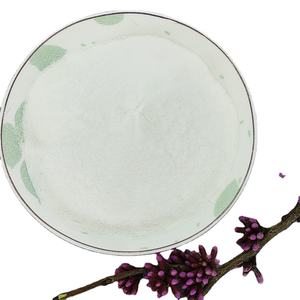
Premium silicon nitride for ceramics, refractories, and electronics. Exceptional quality, reliable supply, and competitive rates.

Title: Silicon Nitride: The Secret Weapon Against Electronics Overheating

(Key Role Of Silicon Nitride Materials In Heat Dissipation Substrates For Electronic Components)
Article:
Ever felt your phone scorch your hand? Or heard a laptop fan whirring like a jet engine? Heat is public enemy number one for electronics. Too much heat kills performance and shortens lifespans. That’s where silicon nitride steps in, playing a super important role in keeping things cool. Forget basic metal or plastic; silicon nitride is the high-tech material quietly making your gadgets work better and last longer by managing heat where it matters most – right underneath the hot components.
1. What is Silicon Nitride?
Silicon nitride isn’t a new kid on the block. Scientists cooked it up decades ago. But its special talents make it perfect for today’s super-hot electronics. Think of it as a ceramic superhero. It’s made from silicon and nitrogen atoms bonded incredibly tightly. This tight bond gives it superpowers. It’s incredibly hard – almost as tough as diamond. It doesn’t melt easily, handling scorching temperatures over 1800°C without breaking a sweat. Crucially, it’s a fantastic insulator against electricity. Electricity shouldn’t flow through it easily. Yet, it lets heat travel through it very well. That combination is rare and valuable. For heat dissipation substrates, it’s the base layer sitting directly under powerful chips or LEDs. Its job is simple: suck up the heat fast and spread it out quickly before things get too hot.
2. Why Choose Silicon Nitride for Heat Dissipation?
So why pick silicon nitride over other materials? It wins on several fronts. First, its thermal conductivity is excellent. Heat moves through it fast. This speed is vital for pulling heat away from sensitive components immediately. Second, it handles sudden temperature changes like a champ. Imagine a car component going from freezing cold to red-hot in seconds. Many materials crack under this stress. Silicon nitride doesn’t. Its thermal shock resistance is top-notch. Third, it’s incredibly strong and rigid. It won’t bend or warp under pressure or heat, keeping everything stable. Fourth, it’s a perfect electrical insulator. You don’t want stray electricity causing shorts. It blocks that completely. Finally, it doesn’t expand much when heated. This “low thermal expansion” means it fits snugly with other materials like silicon chips, avoiding stress cracks. Metal alternatives might conduct heat well, but they conduct electricity too, causing problems. Other ceramics might not handle the thermal stress. Silicon nitride hits the sweet spot.
3. How Silicon Nitride Substrates Work
Making these substrates is high-tech manufacturing. It starts with super-fine silicon nitride powder. This powder gets pressed into thin sheets under immense pressure. Then comes the firing stage – sintering. The sheets are baked at incredibly high temperatures, around 1700-1800°C. This fuses the powder particles together, creating a dense, nearly pore-free ceramic. Density is key. Fewer pores mean heat travels smoother and faster. After sintering, the surfaces are polished mirror-smooth. Why? Because the next step is adding metal layers. Copper is usually the metal of choice for its fantastic heat spreading ability. This metal is bonded onto the smooth silicon nitride surface. Techniques like active metal brazing or direct bonding create a super-strong, seamless connection. The silicon nitride acts as the tough, insulating base. The copper layer becomes the highway for heat to zoom away from the hot spot towards a heatsink or cooler area. The whole structure is thin, strong, and built for speed – heat speed.
4. Where Silicon Nitride Substrates Shine (Applications)
You’ll find silicon nitride substrates working hard in places where heat is a major headache and reliability is non-negotiable. Electric vehicles (EVs) rely heavily on them. The power modules controlling the electric motor generate massive heat. Silicon nitride substrates keep these modules cool and efficient, extending driving range. High-speed trains use similar power electronics needing robust cooling. In renewable energy, solar power inverters and wind turbine converters use them to handle large power flows efficiently. The world of high-power LEDs, especially for streetlights, car headlights, and industrial lighting, depends on them. These LEDs get very hot in tiny spaces. Silicon nitride pulls the heat away fast, preventing early burnout. Cutting-edge radio frequency (RF) and microwave devices in 5G base stations and radar systems also use them. Even advanced computing, where pushing processing power limits creates intense heat, benefits from silicon nitride’s cooling power. Anywhere electronics push the limits, silicon nitride is often the hidden hero managing the heat.
5. FAQs on Silicon Nitride Substrates
Q1: Is silicon nitride better than aluminum oxide (alumina)?
A1: Yes, for demanding jobs. Alumina is cheaper and common. But silicon nitride conducts heat much better. It’s also far stronger and handles thermal shock much better. For high-power or high-reliability needs, silicon nitride wins.
Q2: Aren’t silicon nitride substrates very expensive?
A2: They cost more than basic materials like alumina. The raw materials and high-temperature manufacturing add cost. But think long-term. Their superior performance and reliability often mean lower failure rates and longer product life. This saves money over time, especially in critical systems like EVs or power plants.
Q3: Can silicon nitride substrates be made in complex shapes?
A3: It’s harder than shaping metal. The ceramic is very hard after sintering. Complex shapes are usually formed during the initial powder pressing stage before firing. Precision machining after sintering is possible but difficult and costly. Designs are often optimized for simpler, flat shapes.
Q4: How does silicon nitride compare to aluminum nitride?
A4: Both are top performers. Aluminum nitride conducts heat slightly better. But silicon nitride is much stronger and tougher. It handles mechanical stress and thermal shock far better. Aluminum nitride is more brittle. For tough environments, silicon nitride is often the more reliable choice.
Q5: Will silicon nitride replace copper or aluminum heatsinks?

(Key Role Of Silicon Nitride Materials In Heat Dissipation Substrates For Electronic Components)
A5: Not exactly. They work together. Silicon nitride substrates are used directly under the hottest components. They pull heat from the chip to a traditional metal heatsink (often copper or aluminum). The metal heatsink then has fins or uses liquid to dump the heat into the air. Silicon nitride handles the high heat flux at the source; the metal heatsink handles the bulk heat dissipation. It’s a powerful team.
RELATED POSTS
The Application Prospects Of Silicon Nitride Ceramics In Chemical Reactor Linings
is silicon nitride hydrophobic

The price of raw materials for lithium batteries rose sharply will affect the price of xiaomi graphene

3D Printing Powder Market Analysis and Development Trends: to Surpass $5 Billion by 2030 silver pla
how are silicon nitride ball bearings made