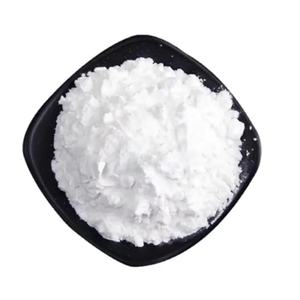
Premium silicon nitride for ceramics, refractories, and electronics. Exceptional quality, reliable supply, and competitive rates.


(Sodium Silicate: An Overview of History, Applications and Modern Developments. sodium fluoro silicate)
Salt Silicate: An Overview of Background, Applications and Modern Advancement.
Salt silicate (Na2SiO3), is an essential not natural compound with a vast array of industrial applications. It contains silicon dioxide (SiO2) and sodium oxide (Na2O), which are usually blended in different proportions to form a variety of substances. Sodium silicate can be strong or liquid, depending on its chemical composition and focus. As one of the earliest silicates to be manufactured and applied to industry in background, sodium silicate not only plays a vital duty in building materials, fabric printing and dyeing, casting and other fields however likewise finds brand-new uses in environmental protection materials, oil removal, food processing and other sectors.
(sodium silicate)
Firstly, the historic background of salt silicate. The use of salt silicate can be traced back to the early 19th century. The German drug store Jöns Jacob Berzelius first explained salt silicate in 1824 and mentioned that it had one-of-a-kind buildings. Nevertheless, it was not till completion of the 19th century, with increased automation, that salt silicate really became a mass-produced chemical. While very early sodium silicate was primarily derived from the response of natural minerals – feldspar and sandstone, today, it is more often prepared by reacting silica with sodium hydroxide or sodium carbonate at high temperatures. Secondly, the primary homes of salt silicate. Salt silicate has good bonding, warm resistance and rust resistance, and these buildings make it outstanding in a number of fields. For example, in the building industry, as a concrete admixture, salt silicate can boost the strength and resilience of concrete; in the textile sector, it can be utilized to handle fabrics, providing it fireproofing, waterproofing and other special functions; additionally, sodium silicate can be made use of as a metal surface treatment agent, to improve the corrosion-resistant ability of the metal.
The modern-day application of sodium silicate
1. Building materials
In building engineering, salt silicate is utilized to produce quick-drying cement, water-proof mortar, fireproof finish and different thermal insulation products. Recently, with the appeal of the environment-friendly structure principle, brand-new eco-friendly building products containing salt silicate have actually ended up being significantly preferred out there. As an example, lathered ceramic boards made with sodium silicate are favored due to their lightweight and high strength, and great heat and sound insulation.
2. Environmental protection industry
It can efficiently repair hefty metal ions and avoid them from seeping into the groundwater system, so it is frequently utilized as a dirt removal agent. At the very same time, sodium silicate can likewise take part in the procedure of exhaust gas filtration, aiding to get rid of unsafe gases airborne, such as sulfur dioxide (SO2), nitrogen oxides (NOx) and more.
3. Oil extraction
In the procedure of oil and gas field growth, salt silicate is used as an excellent fracturing liquid additive, which aids to improve the liquid flow problem in the wellbore and increase the recuperation rate. Furthermore, it can be utilized in drilling mud formula to support the well wall surface and reduce the risk of collapse.
4. Food industry
Although sodium silicate itself is not a direct food ingredient, it can act as an obstacle in food product packaging materials to lengthen the life span of food. In addition, particular types of sodium silicate can be used as artificial additive after appropriate treatment to ensure food security and health.
(liquid sodium silicate)
The study progress of salt silicate
With the development of scientific research and technology, scientists remain to check out the new residential properties and uses of salt silicate. Present research hotspots include but are not restricted to:
1. Establishing high-performance composite products: combining salt silicate with other materials to create new materials with details physicochemical properties to fulfill the requiring needs of particular sectors.
2. Deepening the understanding of the microstructure of salt silicate and its influence on the macro-properties so regarding maximize the manufacturing process and reduce the price.
3. Explore feasible uses of sodium silicate in most current power sectors, for instance, as products for battery separators or sustains for drivers.
(sodium silicate powder)
Final thought
Finally, as a multifunctional inorganic compound, salt silicate inhabits a vital setting in standard industries and emerging modern technologies. From old building materials to modern environmental management measures to innovative scientific research, sodium silicate has actually constantly revealed its irreplaceable value. In the future, as people pay even more attention to sustainable development, sodium silicate will certainly beam in even more innovative applications and continue to write its brilliant chapter. Please note that the above write-up, in order to satisfy words count needs for an extensive summary and combined with some functional application situations, the certain accurate material may need to be updated according to the scientific study results, market characteristics and policy advice.
TRUNNANO is a supplier of sodium silicate with over 12 years of experience in nano-building energy conservation and nanotechnology development. It accepts payment via Credit Card, T/T, West Union and Paypal. Trunnano will ship the goods to customers overseas through FedEx, DHL, by air, or by sea. If you want to know more about sodium silicate, please feel free to contact us and send an inquiry(sales8@nanotrun.com).
All articles and pictures are from the Internet. If there are any copyright issues, please contact us in time to delete.

(Sodium Silicate: An Overview of History, Applications and Modern Developments. sodium fluoro silicate)
RELATED POSTS
The Performance Advantages Of Silicon Nitride Ceramics In The Manufacture Of High-Temperature Vacuum Observation Windows Are Obvious

Abnormally high room temperature and high-temperature tensile properties were observed in Inconel 718 with direct aging line arc-directed energy deposition.

What Is Stainless Steel Powder
Excellent Performance Of Silicon Nitride Ceramics In Semiconductor Wafer Carriers

The manufacturing process and application of crystalline graphite