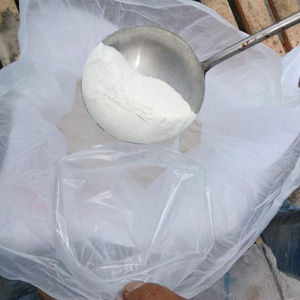
Premium silicon nitride for ceramics, refractories, and electronics. Exceptional quality, reliable supply, and competitive rates.

Catchy Title: Silicon Nitride Powder: The Stealthy Superhero Against Electromagnetic Smog?

(The Application Prospects Of Silicon Nitride Powder In Electromagnetic Wave Absorption Materials Are Promising Broad Prospects)
Blog Content:
Electromagnetic waves are everywhere. Your phone uses them. Your Wi-Fi router blasts them out. Microwaves cook your food with them. Even the sun showers us with them. But what happens when this invisible energy gets too noisy? Think of it like electromagnetic smog. It can mess with sensitive electronics. It can even be a security risk. Finding materials to quietly absorb this unwanted energy is a big deal. Enter silicon nitride powder (Si3N4). This unassuming stuff might just be the unsung hero we need. Its future in making better electromagnetic wave absorbers? It looks incredibly bright.
1. What Exactly is Silicon Nitride Powder?
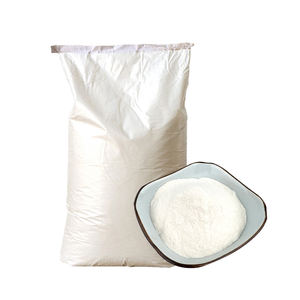
Silicon nitride powder is exactly what it sounds like: a fine powder made up of silicon and nitrogen atoms bonded together. It’s a ceramic material. You start with silicon and nitrogen sources. Then you use high heat or chemical reactions. The result is this super-fine, often white or greyish powder. Think of it like incredibly strong, super-tiny grains of sand. But these grains have special powers. It’s not metal. It’s not plastic. It’s a ceramic workhorse known for being tough. It handles extreme heat well. It resists wear and tear. It’s chemically stable, meaning it doesn’t react easily with other stuff. People have used it for years in things like cutting tools, bearings, and engine parts because it’s so strong and durable. Now, scientists are unlocking its hidden talent: soaking up electromagnetic waves like a high-tech sponge.
2. Why is Silicon Nitride Powder So Good at Absorbing Waves?
So why is silicon nitride powder getting all this attention for wave absorption? It boils down to its unique structure and properties. First, its internal structure isn’t perfect. It has tiny defects, gaps, and boundaries between its microscopic grains. This is actually a good thing for absorption. When an electromagnetic wave hits the powder, these imperfections cause friction. The wave’s energy gets converted into a tiny bit of heat. The wave essentially gets “lost” inside the material. Second, silicon nitride powder has excellent dielectric properties. This means it interacts strongly with electric fields within the waves. Third, we can tweak it. By controlling how it’s made (the particle size, the shape, adding tiny amounts of other elements), scientists can fine-tune how it absorbs waves. We can make it better at absorbing specific frequencies – like the ones used by 5G or radar. It’s like tuning a radio, but for absorbing signals instead of receiving them. Its natural stability also means it keeps working reliably in harsh environments – hot, cold, or corrosive.
3. How Do We Turn This Powder into Useful Absorbers?
Silicon nitride powder isn’t much use on its own for absorption. We need to turn it into a functional material. How? The main way is by mixing it into composites. Think of it like baking. The silicon nitride powder is our special ingredient. We blend it into a “dough” made of polymers (like rubber or epoxy resins), other ceramics, or even specialized foams. This mixture is then shaped. It might be pressed into thin sheets. It could be molded into specific parts. Sometimes it’s applied as a coating. The goal is to create a material where the silicon nitride particles are spread out evenly. This creates a network of tiny wave-trapping sites throughout the composite. The polymer or foam matrix holds everything together. It provides flexibility or other needed properties. The silicon nitride powder does the heavy lifting of actually dissipating the electromagnetic energy. The final absorber’s performance depends heavily on the recipe: how much powder is used, how fine the powder is, what it’s mixed with, and how thick the final layer is.
4. Where Can We Use Silicon Nitride-Based Absorbers?
The potential uses for silicon nitride powder in wave absorption are vast and exciting. Here are key areas:
Military Stealth: This is a classic application. Planes, ships, and vehicles need to avoid radar detection. Coatings or structures containing silicon nitride composites can absorb radar waves, making them harder to spot.
Electronics Shielding: Our gadgets are packed closer than ever. This leads to electromagnetic interference (EMI) – signals from one device messing up another. Silicon nitride composites can shield sensitive components inside phones, computers, and medical devices. They absorb the disruptive noise before it causes problems.
5G & Telecom Infrastructure: The new 5G networks use higher frequencies. These signals don’t travel as far and get blocked easily. Base stations need materials to manage this energy efficiently. Absorbers based on silicon nitride can help prevent signal loss and interference around antennas and inside equipment housings.
EMI Reduction in Homes/Offices: As our homes get smarter, EMI pollution increases. Absorbers could be integrated into building materials, furniture, or device casings to create cleaner electromagnetic environments.
Wearable Tech: Imagine smart clothing or health monitors. Using lightweight, flexible silicon nitride composites could shield the wearer from stray radiation or prevent the device itself from interfering with other electronics.
High-Temperature Applications: Many absorbers fail in extreme heat. Silicon nitride’s natural heat resistance makes it ideal for absorbers needed near engines, industrial machinery, or even aerospace components facing intense conditions.
5. Silicon Nitride for Wave Absorption: Your Questions Answered
Let’s tackle some common questions:
Is it safe? Silicon nitride ceramic is generally considered biocompatible and inert. Used within composites, it poses no special health risks beyond standard handling of fine powders during manufacturing. The absorbed energy turns into negligible heat, not harmful radiation.
How does it compare to carbon-based absorbers (like graphene)? Carbon materials (graphene, carbon nanotubes) are also great absorbers but often focus on conductivity. Silicon nitride works differently, mainly through dielectric loss. It often offers better high-temperature stability and oxidation resistance than carbon. Carbon might be better for very thin, flexible layers, while silicon nitride composites can be robust.
Is it expensive? Producing high-purity silicon nitride powder can be more expensive than some traditional fillers like carbon black. But its performance, durability, and stability in tough conditions can make it cost-effective for demanding applications where cheaper materials fail. Costs are also expected to decrease as production scales up.
Can it absorb all types of electromagnetic waves? No single material absorbs everything perfectly. Silicon nitride powder excels particularly in microwave frequencies (like radar, 5G) and can be tuned for specific bands within that range. It’s less effective for very low frequencies (like power lines) or very high frequencies (like visible light).
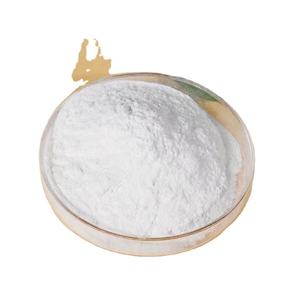
(The Application Prospects Of Silicon Nitride Powder In Electromagnetic Wave Absorption Materials Are Promising Broad Prospects)
What’s the biggest challenge right now? Optimizing the performance-to-cost ratio for mass-market applications is key. Research is intense on making the powder production cheaper and designing composite structures that use the minimal effective amount of silicon nitride to hit the target absorption levels. Getting the perfect blend for specific needs is the ongoing work.
RELATED POSTS
The Performance Advantages Of Silicon Nitride Materials In High-Temperature Structural Adhesives Are Obvious
What are Commonly Used Milling Cutter Coatings?

Chemical analysis reagent – calcium hydride
What are the advantages of aluminum oxide?
Introduction to the characteristics of tungsten carbide