Premium silicon nitride for ceramics, refractories, and electronics. Exceptional quality, reliable supply, and competitive rates.

Title: Silicon Nitride Shield: Exactly How This Wonder Product Shields Sensing Units from Infernal Heat .
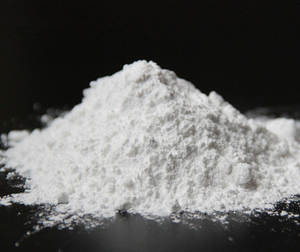
(The Key Role Of Silicon Nitride Ceramics In High-Temperature Sensor Protective Covers)
Main Item Keywords: Silicon Nitride Ceramics, High-Temperature Sensor Protective Covers.
1. Exactly What is Silicon Nitride Porcelain? .
Silicon nitride ceramic is an unique kind of sophisticated product. It is not metal. It is not plastic. It is a difficult, crafted ceramic. Researchers make it by combining silicon and nitrogen atoms under intense warm and stress. This procedure creates a material with fantastic residential or commercial properties. Think of it like building a super-strong, microscopic block wall surface. This framework offers silicon nitride amazing strength. It stays hard even when points obtain extremely hot. It withstands damage quite possibly. It also handles unexpected temperature level modifications without splitting. This durability makes it excellent for rough environments. Its chemical name is Si3N4. That simply suggests three silicon atoms for every single four nitrogen atoms. This basic recipe produces a product facility enough to safeguard important modern technology.
2. Why Pick Silicon Nitride for High-Temperature Sensor Shield? .
Sensing units in hot locations require serious security. Believe inside jet engines, heating systems, or nuclear power plant. Temperatures there can melt routine metals or warp plastics. Sensing unit covers need to secure delicate electronics from this warmth. They have to additionally allow the sensor “see” or “really feel” properly. Silicon nitride excels here. First, it laughs at high heat. It keeps its stamina way past 1000 ° C. Several steels soften or slip at these temperature levels. Second, it deals with thermal shock wonderfully. Opening a furnace door develops an abrupt temperature level decline. Lots of materials ruin. Silicon nitride generally makes it through. Third, it resists rust. Warm gases, liquified metals, or extreme chemicals don’t conveniently harm it. 4th, it’s electrically protecting. This avoids unwanted electrical signals interfering with the sensor. Ultimately, it can be made specifically. This allows complex forms that fit sensing units completely. Picking silicon nitride implies picking integrity in the fire.
3. Just how Do We Transform Powder right into Protective Powerhouses? .
Making silicon nitride sensor covers is a state-of-the-art procedure. It begins with very fine silicon nitride powder. Pure powder is essential. Impurities deteriorate the last part. Next off, producers shape this powder. Common approaches are pressing it in a mold or injecting it like plastic. This produces a “green” component. It resembles the last shape but is fragile. After that comes the crucial step: sintering. The eco-friendly component enters into an unique furnace. Severe warmth, commonly over 1700 ° C, is applied. Occasionally pressure is included too. This warmth makes the powder fragments bond with each other securely. Think of melting the sides just sufficient to fuse them. The part shrinks but becomes unbelievably thick and solid. After sintering, precision machining completes the work. Grinding or laser reducing attains exact dimensions and smooth surface areas. The cover should seal completely and not interfere with the sensing unit. Quality control checks every action. Only parts passing rigorous tests end up being sensing unit armor.
4. Where Do These Super-Ceramic Shields Fight the Heat? .
Silicon nitride safety covers are heroes in numerous fiery arenas. Aerospace is a major one. Jet engines are incredibly warm inside. Sensors keeping an eye on temperature, pressure, or resonance require protection. Silicon nitride covers sit right in the combustion gas flow. They maintain sensors active. Power generation utilizes them as well. Gas generators and coal-fired plants have hot exhausts. Sensors here control efficiency and emissions. Reputable covers are necessary. Industrial procedures depend on them. Steel mills, glass factories, and chemical plants run at high temperatures. Sensing units keep an eye on heating system conditions or process variables. Silicon nitride armor guarantees they function. Automotive screening pushes engines hard. Sensors under the hood need thermal barrier. Even innovative research uses them. Fusion experiments or hypersonic wind passages develop extreme problems. Wherever warmth intimidates sensing units, silicon nitride ceramic covers are usually the best defense.
5. FAQs: Your Burning Concerns About Silicon Nitride Sensing Unit Covers .
Individuals often ask crucial concerns concerning utilizing this product. Below are clear answers.
Just how hot can they really go? Temporary, some qualities handle 1400 ° C or even more. Long-lasting usage is typically safe as much as 1200 ° C in air. Certain limitations depend upon the exact product quality and the atmosphere.
Are they delicate like normal ceramics? They are much tougher. Silicon nitride has high fracture toughness. It withstands damaging and breaking far better than porcelains like alumina. It still needs mindful handling, specifically during setup.
Why not simply make use of metal? Metals usually soften, oxidize rapidly, or wear away at extremely heats. They additionally carry out electricity, which can interfere with sensing units. Silicon nitride remains strong, withstands deterioration, and protects.
Isn’t it very expensive? Yes, it costs more ahead of time than metals or standard porcelains. But the expense is warranted. Longer life-span, much less downtime, and better sensor performance in extreme warmth save money with time. Failing in a vital application is far more pricey.
Can they manage quick temperature modifications? Yes! Superb thermal shock resistance is a hallmark. They endure unexpected home heating or cooling down better than many various other materials. This is important near furnaces or in engines.
Just how are they installed? Cautious layout is key. Steel clamps or specialized adhesives rated for heats are common. Developers prevent putting stress straight on the ceramic. Thermal development distinctions between the ceramic and metal parts must be managed.

(The Key Role Of Silicon Nitride Ceramics In High-Temperature Sensor Protective Covers)
Do they block the sensing unit signal? This depends upon the sensing unit kind. Developers very carefully select the thickness and form. For optical sensors, thin, polished silicon nitride can be fairly clear. For other sensors, the minimal electrical disturbance is a benefit. Engineers make the cover to secure without preventing the sensor’s task.
RELATED POSTS
The cfr freight terms freight trends and price trends in 2022

Analysis reagent-sodium silicate powder

Why can high-purity graphite conduct electricity

Use fullerenes to make less fragile diamonds, do you know about the graphite powder lubricant

Hexagonal Boron Nitride is 10 Times Stronger Than Graphene
