Premium silicon nitride for ceramics, refractories, and electronics. Exceptional quality, reliable supply, and competitive rates.


PRODUCT PARAMETERS
Description
Overview of Silicon Nitride
Silicon Nitride (Si₃N₄) is a critical ceramic material renowned for its exceptional mechanical properties, high-temperature resistance, and chemical stability. It is widely used in the fabrication of high-temperature structural components, bearings, cutting tools, and electronic devices. Silicon Nitride can be prepared through methods such as reaction sintering or hot pressing, resulting in two crystalline forms: α-Si₃N₄ and β-Si₃N₄, depending on the production process.
Features of Silicon Nitride
High Hardness and Wear Resistance: Silicon Nitride boasts remarkable hardness and wear resistance, making it ideal for high-performance cutting tools.
Thermal Stability: It maintains excellent mechanical properties at extremely high temperatures, with a maximum usage temperature exceeding 1200°C.
Good Chemical Stability: It shows great resistance to corrosion by most molten metals and acid-base solutions.
Low Density: Compared to metal materials, Silicon Nitride has a lower density, beneficial for reducing the weight of structural components.
Excellent Electrical Insulation Properties: It is a preferred choice for electronic packaging materials.

(Aluminum nitride ceramic substrate, thermal conductive sheet Aluminum Nitride AIN)
Specification of Aluminum nitride ceramic substrate, thermal conductive sheet Aluminum Nitride AIN
Aluminum Nitride ceramic substrate, known as AIN, offers excellent thermal conductivity. This material moves heat away from sensitive components very effectively. It keeps electronic devices cooler during operation. Good cooling extends device life and improves reliability. AIN is also a strong electrical insulator. It prevents unwanted electrical flow. This combination makes it perfect for demanding electronics. Power modules, LED lighting systems, and high-frequency circuits benefit greatly. These applications generate significant heat.
AIN substrates handle high temperatures well. They withstand harsh operating conditions without degrading. The material possesses good mechanical strength too. It resists breaking under stress. AIN is chemically stable. It doesn’t easily react with other substances. This stability ensures long-term performance. Manufacturers shape AIN into substrates and sheets precisely. These forms integrate easily into electronic assemblies. The thermal conductive sheet version provides direct heat spreading. It fits between heat sources and cooling elements.
AIN outperforms many other ceramic materials thermally. Its thermal conductivity is remarkably high. This allows for thinner designs. Thinner substrates save space in compact devices. Electrical properties remain stable across a wide temperature range. Signal integrity stays consistent. The material offers low thermal expansion. Components bonded to it experience less stress during heating and cooling cycles. This reduces the risk of connection failures. Surface quality is high for reliable circuit attachment. Laser drilling and precise machining are possible. This creates custom shapes and features.
Demand grows for efficient thermal management solutions. AIN substrates deliver this capability. Power electronics increasingly rely on them. Electric vehicles and renewable energy systems use these substrates. High-brightness LEDs need effective heat dissipation. AIN provides the necessary thermal path. Semiconductor laser packages utilize AIN too. Its properties enable smaller, more powerful devices. The material supports the trend towards miniaturization. It handles the heat challenges of advanced electronics.
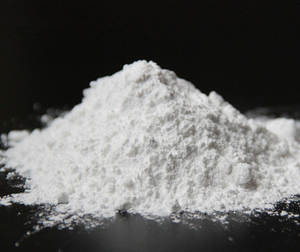
(Aluminum nitride ceramic substrate, thermal conductive sheet Aluminum Nitride AIN)
Applications of Aluminum nitride ceramic substrate, thermal conductive sheet Aluminum Nitride AIN
Aluminum nitride ceramic substrates and thermal conductive sheets are important for managing heat in electronics. Aluminum nitride has excellent thermal conductivity. It moves heat away from sensitive components very well. Aluminum nitride also provides strong electrical insulation. This protects circuits from short circuits. Aluminum nitride ceramic substrates offer mechanical strength too. They can withstand demanding conditions.
These properties make aluminum nitride substrates vital for high-power electronics. Power modules use them extensively. Power modules generate significant heat. Aluminum nitride helps keep them cool. This improves reliability and extends device life. LED lighting systems also benefit. High-brightness LEDs need efficient heat dissipation. Aluminum nitride substrates handle this task effectively. They prevent LED overheating and failure.
Aluminum nitride thermal conductive sheets are flexible solutions. They fill gaps between heat sources and heat sinks. These sheets ensure good thermal contact. This improves heat transfer efficiency. They are useful where rigid substrates cannot be fitted. Electronic assemblies often have uneven surfaces. Thermal sheets conform to these surfaces. This maximizes the heat transfer area.
Aluminum nitride outperforms older materials like alumina. Alumina has lower thermal conductivity. Aluminum nitride conducts heat much better. This makes it suitable for advanced applications. Semiconductor manufacturing uses aluminum nitride substrates. They manage heat in complex chips. Radio frequency components also rely on them. These components generate concentrated heat. Aluminum nitride effectively spreads this heat out.
The demand for aluminum nitride products is growing. Electronics are becoming more powerful. They generate more heat than before. Efficient thermal management is critical. Aluminum nitride substrates and sheets provide this capability. They help devices run cooler and more reliably.
Company Introduction
Welcome to JatujakGuide,a leading global supplier of high-quality silicon nitride (Si₃N₄) products. We specialize in providing advanced ceramic materials that offer exceptional strength, thermal stability, and wear resistance, making them ideal for industries such as aerospace, automotive, and electronics. Our state-of-the-art manufacturing processes ensure superior product quality and consistency. With a commitment to innovation and customer satisfaction, we deliver reliable and cost-effective solutions worldwide. Whether you need silicon nitride for cutting tools, bearings, or thermal management applications, trust [Your Company Name] to meet your needs. Partner with us for high-performance materials and expert support.
If you have any questions, please feel free to contact us(nanotrun@yahoo.com).
Payment Methods
T/T, Western Union, Paypal, Credit Card etc.
Shipment Methods
By air, by sea, by express, as customers request.
5 FAQs of Aluminum nitride ceramic substrate, thermal conductive sheet Aluminum Nitride AIN
Aluminum Nitride (AlN) ceramic substrates are special plates used in electronics. They handle heat very well. People often ask questions about them.
What is Aluminum Nitride? Aluminum Nitride is a special ceramic material. It conducts heat well. It’s also electrically insulating. People use it to make substrates. These substrates hold electronic parts.
Why use Aluminum Nitride for thermal management? Aluminum Nitride conducts heat extremely well. It moves heat away from hot electronic parts fast. This keeps devices cooler. Cooler devices work better and last longer. That’s why it’s good for thermal management.
Is Aluminum Nitride electrically insulating? Yes, Aluminum Nitride is an electrical insulator. It does not conduct electricity. This is important. It stops electrical currents from flowing where they shouldn’t. You can use it safely in circuits.
Where are Aluminum Nitride substrates typically used? These substrates are common in high-power electronics. Think about LED lights, power modules, and radio frequency devices. They are also found in laser systems. Any place needing good heat removal uses them often.
How does Aluminum Nitride compare to other ceramics? Aluminum Nitride conducts heat much better than alumina (Al2O3). Its thermal conductivity is higher. It also matches silicon chips well. This reduces stress in the package. It’s more expensive though. People use it when performance is critical.

(Aluminum nitride ceramic substrate, thermal conductive sheet Aluminum Nitride AIN)
REQUEST A QUOTE
RELATED PRODUCTS

Hot high purity chemicals Ube E-10 Structural ceramic materials Si3N4 cas no 12033-89-5 Silicon nitride powder

Ultrafine 99.9% silicone nitride powder micro si3n4 Nano Particles Powder High Temperature Silicon Nitride

High hardness stable chemical properties SiC Green Silicon Carbide powder
Supply high purity 99.9% Thin Film Solar Cells Silicon Nitride Powder

samarium nitride CAS 25764-14-1
