Premium silicon nitride for ceramics, refractories, and electronics. Exceptional quality, reliable supply, and competitive rates.

**The Unsung Hero of Modern Tech: Silicon Nitride Explained**

(what is silicon nitride)
You might not know its name, but silicon nitride is everywhere. It’s in your phone, your car, even spacecraft. This ceramic material doesn’t get much attention, but it’s quietly shaping the future. Let’s break down what makes it special.
First, what exactly is silicon nitride? Think of it as a team of atoms working together. Silicon and nitrogen bond in a tight, 3D structure. This teamwork gives the material superpowers. It’s tough, heat-resistant, and doesn’t wear down easily. Imagine a material that laughs at extreme temperatures and shrugs off scratches. That’s silicon nitride.
Why does this matter? Most materials crack under stress. Metals melt in high heat. Plastics degrade over time. Silicon nitride doesn’t play by those rules. It stays stable even when things get hot—like *really* hot. We’re talking temperatures over 1,000°C. Jet engines? Nuclear reactors? This stuff handles the heat without breaking a sweat.
Now, let’s talk about strength. Pound for pound, silicon nitride is stronger than steel. It’s also lighter. That combo makes engineers drool. Car companies use it in engine parts to boost fuel efficiency. Electric cars love it for battery components because it’s tough and doesn’t conduct electricity. Even your phone’s tiny sensors might rely on silicon nitride to work smoothly.
But wait, there’s more. Your body might benefit from it too. Medical implants made from silicon nitride are a big deal. Unlike some metals, it doesn’t react badly with human tissue. Bones actually grow into it. Hip replacements and spinal implants made from this material last longer and cause fewer problems. It’s like the material becomes part of you.
Space exploration? Yep, silicon nitride’s there. Rocket nozzles face insane heat and pressure during launch. Traditional materials erode quickly. Silicon nitride nozzles last longer, which means safer, more efficient missions. Satellites use it in bearings too, because in space, there’s no oil for lubrication. The material’s slick surface reduces friction all on its own.
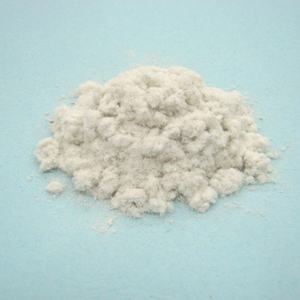
Here’s the kicker: making silicon nitride isn’t easy. Scientists cook it up in special furnaces under precise conditions. They mix silicon powder with nitrogen gas, then bake it at high temperatures. The result is a fine powder that gets pressed and sintered into shapes. It’s a tricky process, but worth it for the performance.
You’re probably wondering why this material isn’t in every product yet. Cost is a factor. Producing high-quality silicon nitride isn’t cheap. But as technology improves, prices are dropping. Researchers are also finding new ways to tweak its properties. Some teams are adding other elements to make it even harder or better at conducting heat.

(what is silicon nitride)
The coolest part? We’re just scratching the surface. From wind turbines to quantum computing, silicon nitride keeps popping up in unexpected places. It’s not flashy, but it’s the backbone of innovations we’ll rely on for decades. Next time you charge your phone or board a plane, remember—there’s a good chance silicon nitride is working behind the scenes.
RELATED POSTS

Soil stabilizer-sodium silicate powder

Trends in CLC foaming agents

Boron Carbide: A Multi-functional Advanced Ceramic Material reaction bonded boron carbide

What are Aluminum Nitride Characteristics?
Alpha-olefin Sulfonate (AOS): An Essential Surfactant for Diverse Applications sodium c1416 olefin sulfonate
