Premium silicon nitride for ceramics, refractories, and electronics. Exceptional quality, reliable supply, and competitive rates.

**From Sand to Spin: The Secret Life of Silicon Nitride Ball Bearings**

(how are silicon nitride ball bearings made)
Tiny, tough, and built to last, silicon nitride ball bearings are the unsung heroes inside everything from race cars to rocket engines. But how do these little marvels go from raw materials to precision-engineered spheres? Let’s peel back the curtain.
It starts with the ingredients. Silicon nitride isn’t something you dig out of the ground. Instead, it’s cooked up in a lab. Scientists mix fine silicon powder with nitrogen gas, then heat the combo to temperatures hotter than lava. The result? A ceramic material tougher than steel but lighter than aluminum. Think of it as the superhero of engineering materials—strong, sleek, and ready for action.
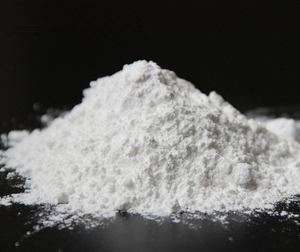
Next comes shaping. Raw silicon nitride looks like chalky powder. To turn it into ball bearings, manufacturers use a process called “forming.” Imagine squeezing Play-Doh through a mold, but way more high-tech. The powder gets pressed into rough spheres using heavy machinery. These greenish-gray blobs are still fragile, like dried clay. They’re called “green balls,” and they’re about as sturdy as a cookie dough lump before baking.
Then, the magic happens in the oven. The green balls go into a furnace for sintering. Sintering is like turbocharged baking. Temperatures hit around 3,500°F, hot enough to melt most metals. But silicon nitride doesn’t melt. Instead, the particles fuse together, growing denser and stronger. The balls shrink a bit, like a sweater fresh out of the dryer. This step turns crumbly blobs into solid, near-perfect spheres.
But “near-perfect” isn’t good enough. Even a tiny flaw can wreck a high-speed bearing. So next, the balls get a spa treatment—grinding and polishing. Diamond-coated wheels spin at insane speeds, shaving off microscopic layers. The balls tumble in slurry filled with diamond dust, smoothing out every scratch. After hours of this, they’re so round that if you scaled one up to Earth’s size, the tallest mountain would be just 10 feet high.
Quality control is next. Machines zap the balls with lasers to check their shape. Any duds get tossed. The survivors face brutal stress tests. Engineers roll them under loads that would crush steel bearings, just to prove they can handle it. Some even get X-rayed to spot hidden cracks. Only the toughest 1% make the cut.
Why go through all this trouble? Silicon nitride isn’t cheap. But it has perks regular steel can’t match. It doesn’t rust, even if you dunk it in saltwater. It handles heat like a champ, staying cool when steel bearings would warp. Plus, it’s lighter, so race cars use it to shave off precious grams. In MRI machines, its non-magnetic nature keeps scans crystal clear.
The final stop? Real-world chaos. These bearings end up in jet turbines, spinning at 20,000 RPM. They’re in electric cars, helping batteries last longer. Dental drills use them because they’re quiet and precise. Even the Mars rovers have them, surviving dust storms that would gum up ordinary bearings.

(how are silicon nitride ball bearings made)
Making silicon nitride bearings isn’t quick or easy. It’s a mix of chemistry, physics, and old-school craftsmanship. But when failure isn’t an option, these ceramic globes deliver—no matter how hot, fast, or harsh the job gets.
RELATED POSTS
The Key Role Of Silicon Nitride Powder In The Preparation Of High-Temperature Structural Ceramic Composites
Research Breakthroughs In The Preparation Of High-Temperature Structural Ceramic Adhesives For Silicon Nitride Powder
The Research Of Silicon Nitride Materials In Lithium Battery Negative Electrode Coatings Has Made Breakthroughs

Will the recent surge in energy prices in the European Union have an impact on bhutan birding