Premium silicon nitride for ceramics, refractories, and electronics. Exceptional quality, reliable supply, and competitive rates.

Silicon Nitride Ceramics: Opening the Power of High-Temperature Vacuum Cleaner Seals .

(In-Depth Research On Silicon Nitride Ceramics In The Preparation Of High-Temperature Vacuum Seals)
1. What is Silicon Nitride Ceramics? .
Silicon nitride porcelains are sophisticated materials. They are made from silicon and nitrogen. These porcelains are not metals. They belong to a group called technological ceramics. Their structure is crystalline. This provides special properties. Silicon nitride is really difficult. It resists wear and scrapes. It additionally handles extreme warm. This product does not melt easily. It stays stable also over 1200 ° C. Another key attribute is low thickness. Silicon nitride is lighter than steel. It does not expand much when heated up. This keeps components precise under tension. Engineers like it for tough jobs.
2. Why Pick Silicon Nitride Ceramics for High-Temperature Vacuum Cleaner Seals? .
High-temperature vacuum seals deal with brutal conditions. Heat, pressure, and chemicals assault them. Common seals stop working quickly. Silicon nitride ceramics fix this. Initially, they withstand thermal shock. Fast temperature level changes will not crack them. Second, they keep strength in vacuum cleaners. Most materials outgas or weaken. Silicon nitride stays inert. It won’t release gases. This maintains vacuum cleaners pure. Third, it fights rust. Acids and antacids don’t consume right into it. 4th, it has reduced rubbing. Seals move efficiently without jamming. Ultimately, it lasts much longer. Makers run longer with much less downtime. That saves cash.
3. Exactly How is Silicon Nitride Ceramics Produced Seals? .
Creating silicon nitride seals requires precision. Step one: powder prep work. Silicon nitride powder is blended with binders. This creates a paste. Tip 2: shaping. Techniques like pushing or injection molding shape the paste. It ends up being a “environment-friendly” component. Step 3: sintering. The green part enters into a heating system. High heat merges particles. Temperature levels struck 1700 ° C– 1800 ° C. This makes the component thick and solid. Tip 4: completing. Grinding makers brighten surfaces. Seals must be completely smooth. Even small imperfections cause leaks. Quality checks take place throughout. X-rays locate surprise fractures. Density tests ensure no pores. Only remarkable seals obtain approved.
4. Applications of Silicon Nitride Ceramics in High-Temperature Vacuum Cleaner Seals .
Silicon nitride seals work where others can’t. Aerospace relies on them. Jet engines make use of these seals in wind turbines. They manage exhaust gases at 1000 ° C. Semiconductor manufacturing facilities require them also. Chip-making devices use vacuum cleaner chambers. Silicon nitride seals maintain air out. This avoids silicon wafers from polluting. Power plants release them. Atomic power plants make use of seals in coolant systems. They endure radiation and warmth. Clinical gadgets advantage. MRI equipments have vacuum pumps. Ceramic seals operate calmly. Electric vehicles utilize them in batteries. High-voltage systems stay risk-free. Even space technology relies on them. Satellite thrusters utilize vacuum cleaner seals. They withstand rocket launches.
5. FAQs Regarding Silicon Nitride Ceramics in Vacuum Cleaner Seals .
Q: How much time do silicon nitride seals last? .
A: Much longer than metal seals. Tests show 5– 10 times a lot more cycles. Precise life relies on conditions. Extreme settings shorten it somewhat.
Q: Can they seal versus liquids and gases? .
A: Yes. They benefit both. Hydraulic systems utilize them for oils. Vacuum cleaner systems utilize them for gases.
Q: Are they fragile? .
A: Less than various other porcelains. Silicon nitride flexes a little prior to damaging. Developers include safety and security margins. Seals rarely break all of a sudden.
Q: Why are they pricey? .
A: Basic material cost much more. Production needs unique furnaces. Machining requires time. Yet the complete expense is lower. Less substitutes imply financial savings.
Q: Can they change all metal seals? .
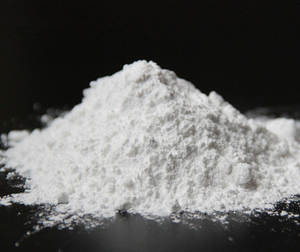
(In-Depth Research On Silicon Nitride Ceramics In The Preparation Of High-Temperature Vacuum Seals)
A: Not all. Very large seals still utilize metal. Basic low-heat work too. But also for high-performance requirements, silicon nitride wins.
RELATED POSTS
Do you know about graphite

Nano Silica Used in Ink
What is Concrete Superplasticizer?

Aerogel Blanket: Revolutionizing Thermal Insulation with Unmatched Efficiency and Versatility thermablok aerogel insulation blanket
