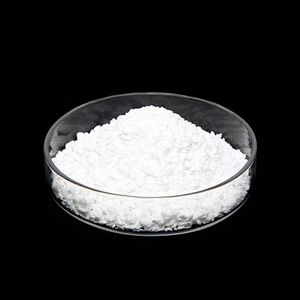
Premium silicon nitride for ceramics, refractories, and electronics. Exceptional quality, reliable supply, and competitive rates.

Silicon Nitride Ceramics Have Outstanding Performance Advantages In The Preparation Of Precision Optical Cold Processing Molds .

(Silicon Nitride Ceramics Have Outstanding Performance Advantages In The Preparation Of Precision Optical Cold Processing Molds)
Picture crafting flawless lenses, prisms, or facility optical components. The mold and mildews utilized to shape these delicate parts are crucial. They require to be extremely hard, wear-resistant, and steady. Get in silicon nitride ceramics. This advanced product is quickly becoming the top selection for making high-precision optical chilly handling molds. Why? Because its one-of-a-kind properties directly attend to the most difficult obstacles mold makers encounter. Let’s check out why silicon nitride is making such a huge impact.
1. What is Silicon Nitride Ceramic? .
Silicon nitride is an unique type of ceramic. It’s made from silicon and nitrogen atoms bound together in a very solid means. Consider it like a super-hard, crafted material. Unlike the ceramics in your coffee cup, silicon nitride is created for extreme tasks. It starts as a fine powder. Suppliers blend this powder with special ingredients. Then, they shape it under high stress. The last action is sintering. Sintering methods cooking the shaped powder at really heats. This process makes the powder particles fuse together. The outcome is a strong piece with amazing residential or commercial properties. Silicon nitride isn’t brittle like common ceramics. It has an one-of-a-kind combination of durability and hardness. This makes it perfect for requiring applications like accuracy mold and mildews.
2. Why Select Silicon Nitride for Optical Mold And Mildew Making? .
The job of an optical mold is hard. It presses, types, or forms optical glass or crystals. This occurs at room temperature level, known as “chilly processing.” The mold faces constant friction and pressure. It requires to last a long period of time without wearing down. It needs to maintain its specific form and surface finish. Any type of modification in the mold and mildew ruins the optical component. This is where silicon nitride shines. First, it’s unbelievably hard. Firmness implies it withstands damaging and nicking. This is crucial when shaping glass. Second, it has low friction. The material slides efficiently against glass. This lowers endure both the mold and mildew and the glass component. Third, it’s chemically inert. It doesn’t react with the majority of products, including glass. Fourth, silicon nitride has superb thermal stability. Its shapes and size remain consistent despite having temperature level changes. This guarantees accuracy. Fifth, it’s tough. Sturdiness indicates it can manage impacts without splitting. Put it all together: solidity, reduced rubbing, chemical security, thermal stability, and strength. These advantages make silicon nitride much superior to conventional mold and mildew steels or other ceramics for accuracy optical work.
3. How is Silicon Nitride Mold And Mildew Fabricated? .
Making a silicon nitride mold is a precise procedure. It starts with high-purity silicon nitride powder. This powder is very carefully mixed with sintering help. These aids assist the material bond throughout shooting. Next off, the combination is formed. Common shaping methods include pressing or shot molding. Pushing usages high stress to develop the powder right into a standard form. Shot molding compels the powder-binder mix into an intricate mold cavity. This action produces the “green” part. The eco-friendly part is delicate. It then goes through a procedure called debinding. Debinding removes the short-lived binder product. After debinding, the actual magic takes place: sintering. Sintering heats up the part to near its melting point, around 1700-1800 ° C. The fragments bond securely. This develops a dense, solid ceramic body. But sintering reasons contraction. The mold maker should represent this contraction in the first layout. After sintering, the mold and mildew is hard yet not ended up. It needs machining. Machining silicon nitride requires special devices. Ruby grinding wheels or diamond-tipped devices are utilized. This final machining accomplishes the ultra-precise dimensions and mirror-like surface finish needed for optical molds. The whole procedure needs know-how and tight control.
4. Where are Silicon Nitride Molds Made Use Of? .
Silicon nitride molds excel in various requiring optical production locations. One major use is accuracy glass molding (PGM). PGM creates complicated glass optics like lenses for cams or projectors. The mold and mildew shapes molten glass under stress. Silicon nitride handles the warm and pressure wonderfully. It likewise withstands adhering to the glass. Another area is glass press molding for consumer optics. Think smart device video camera lenses or virtual reality headset lenses. High volume manufacturing needs resilient mold and mildews. Silicon nitride provides long life and regular top quality. It’s also perfect for shaping optical crystals. Products like sapphire or specialized crystals are made use of in lasers and sensors. Forming these requires mold and mildews that won’t infect or scrape them. Silicon nitride is perfect below. Past shaping, silicon nitride molds are made use of in optical brightening components. These fixtures hold optics throughout polishing. They need severe flatness and security. Silicon nitride offers that. Any application requiring high wear resistance, dimensional stability, and fine surface coatings advantages. This includes mold and mildews for infrared optics, specialized lenses, and even some semiconductor processing devices.
5. FAQs About Silicon Nitride Molds .
Individuals frequently ask a number of vital inquiries concerning making use of silicon nitride for mold and mildews. Here are the usual ones:.
Are silicon nitride mold and mildews a lot more expensive than steel molds? Yes, at first, they set you back even more. The raw material is costlier. The processing is extra intricate. Nonetheless, think of longevity. Silicon nitride mold and mildews last much longer. They hold up against even more manufacturing cycles before wearing out. This reduces downtime for mold and mildew adjustments. It also reduces costs per part made. So, for high-volume production, silicon nitride usually conserves cash total.
Can silicon nitride take care of intricate mold and mildew forms? Definitely. Modern shaping strategies like injection molding permit intricate geometries. Advanced sintering and precision machining after that accomplish the last precise shape. Designers have significant freedom.
Is silicon nitride brittle? Will it split easily? Compared to normal ceramic, no. Silicon nitride is an advanced ceramic. It supplies good crack sturdiness. This means it can endure reasonable impacts consistently. It’s a lot harder than materials like alumina. Proper design and handling are still essential, naturally.
How does it compare to various other mold and mildew products? Compared to tool steel, silicon nitride wins on wear resistance and thermal stability. It lasts longer and holds form much better. Contrasted to tungsten carbide, it often has better thermal shock resistance and lower thickness. Compared to other ceramics like alumina or zirconia, silicon nitride typically offers premium sturdiness and thermal residential or commercial properties for mold and mildew applications.

(Silicon Nitride Ceramics Have Outstanding Performance Advantages In The Preparation Of Precision Optical Cold Processing Molds)
What are the restrictions? The primary limitations are expense and machining difficulty. Producing the ultra-precise surfaces needs specialized ruby grinding. This includes time and expense. Additionally, very large mold collections could be challenging because of sintering restrictions. But also for many accuracy optical mold sizes, it’s really appropriate.
RELATED POSTS
The Key Role Of Silicon Nitride Ceramics In The Insulating Bracket Of Electronic Components

Which is the best way to backfill a bathroom
Nickel oxide could aid further artificial intelligence research, you should know about the graphite powder lubricant new materials.

Development of polycarboxylate superplasticizer