Premium silicon nitride for ceramics, refractories, and electronics. Exceptional quality, reliable supply, and competitive rates.

Silicon Nitride Powder: The Secret Weapon for Tougher Ceramic Composites?

(The Innovative Application Of Silicon Nitride Powder In High-Temperature Structural Ceramic Fiber Reinforced Materials)
Remember those old sci-fi movies showing spaceships enduring incredible heat? Well, the materials making that possible aren’t just fiction anymore. We’re talking serious high-temperature tech. Enter silicon nitride powder. This stuff is quietly becoming a superstar in making ceramic materials tougher, especially under extreme heat. It’s like adding super strength to already strong stuff. Forget flimsy; we’re building things that laugh in the face of scorching temperatures. This blog dives into why silicon nitride powder is such a game-changer for high-temperature structural ceramic fiber reinforced materials. Get ready to see how this powder is pushing the limits.
1. What is Silicon Nitride Powder and What Does It Do in Ceramic Composites?
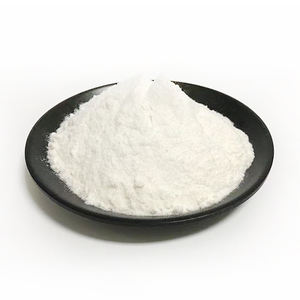
Silicon nitride powder is a special kind of ceramic material. It starts as a very fine powder, like dust. This powder is made up of tiny particles of silicon and nitrogen atoms bonded together. Think of it as the raw ingredient. It’s not the final product you see, but it’s essential for making things. In the world of advanced ceramics, silicon nitride powder is famous for being incredibly hard and tough. It also handles heat extremely well. When engineers talk about high-temperature structural ceramic fiber reinforced materials, they mean composites. These composites are like a team. Strong ceramic fibers provide the backbone, the reinforcement. A ceramic matrix holds those fibers together. This matrix is often made from powders like silicon nitride. The powder gets processed. It might be mixed with other materials, shaped, and then heated under pressure. This process, called sintering, turns the loose powder into a solid, dense material. So, silicon nitride powder is the key starting material used to create the strong, heat-resistant “glue” that binds the reinforcing fibers in these tough composites. It forms the matrix that gives the whole structure its shape and helps it resist crushing forces.
2. Why Choose Silicon Nitride Powder for High-Temperature Use?
Why pick silicon nitride powder over other ceramic powders for hot environments? It has some standout features. First, it’s amazingly resistant to heat. Silicon nitride doesn’t melt until temperatures get incredibly high, way over 1900°C (3450°F). That’s far hotter than many metals can handle. Second, it keeps its strength even when things get hot. Many materials weaken as temperature rises. Silicon nitride stays strong. This is crucial for structural parts that bear loads under heat. Third, it’s really hard and tough. This means it resists wear and cracking. It doesn’t break easily. Fourth, it handles rapid temperature changes well. This is called thermal shock resistance. Materials can crack if heated or cooled too quickly. Silicon nitride is less likely to do this. Fifth, it’s quite stable chemically. It doesn’t easily react with oxygen or other gases at high temperatures. This prevents degradation. Finally, silicon nitride is relatively lightweight compared to some metals. For all these reasons, silicon nitride powder is a top choice when building ceramic composites meant for the hottest, toughest jobs. It helps the composite survive where others fail.
3. How is Silicon Nitride Powder Used to Make Tougher Ceramic Composites?
Making these strong ceramic composites is a precise job. Silicon nitride powder is central to the process. The goal is to create a solid material where tough ceramic fibers are embedded in a silicon nitride matrix. There are different methods. One common way is called slurry infiltration. Here, the reinforcing fibers, like silicon carbide or carbon fibers, are arranged into a preform, a sort of skeleton. A liquid mixture, a slurry, containing silicon nitride powder particles is prepared. This slurry is carefully forced into the spaces around the fibers in the preform. Think of soaking a sponge. The powder particles surround the fibers. Next, the wet material is dried. Then comes sintering. The dried part is heated to very high temperatures, often under pressure. This makes the silicon nitride powder particles bond together and to the fibers. They densify, shrinking and forming a solid, strong matrix around the fibers. Another method involves mixing the silicon nitride powder directly with short fibers. This mixture is then pressed into shape and sintered. Throughout this, controlling the powder’s particle size and how it’s processed is vital. It ensures the final composite has no weak spots. The silicon nitride matrix locks the fibers in place. Together, they create a material much tougher than either part alone.
4. Where Do We See Silicon Nitride Powder Composites in Action?
These silicon nitride ceramic composites are built for extreme conditions. Their heat resistance and strength make them perfect for demanding jobs. Aerospace is a major user. Think about jet engines and rocket nozzles. Parts inside face scorching exhaust gases. Components like turbine blades, seals, and combustor liners made from these composites can handle the heat and stress. This improves engine efficiency and lifespan. The energy sector also benefits. Power generation turbines, especially those using hot gases from coal or natural gas, need durable parts. Silicon nitride composites work well here. Industrial furnaces and heat treatment equipment use these materials for components exposed to constant high heat. They last longer than metal parts. Automotive is exploring them too. Parts like turbocharger rotors and bearings in high-performance engines see high temperatures and speeds. These composites offer potential for better performance and fuel economy. Even cutting tools for machining tough metals can be made from silicon nitride composites. They stay sharp longer under high friction and heat. Basically, anywhere things get extremely hot and need to stay strong and intact, silicon nitride powder composites are stepping up.
5. FAQs About Silicon Nitride Powder in Ceramic Composites

(The Innovative Application Of Silicon Nitride Powder In High-Temperature Structural Ceramic Fiber Reinforced Materials)
People often have questions about this technology. Let’s tackle some common ones. First, why not use silicon nitride alone? Pure silicon nitride is strong and heat resistant. Adding tough fibers makes it even better. The fibers stop cracks from spreading easily. This makes the composite much tougher and more reliable under stress. Second, isn’t this stuff expensive? Yes, making silicon nitride powder and processing it into dense composites costs more than basic materials like steel. But the payoff comes in performance and longevity. In critical applications like aerospace engines, the benefits outweigh the cost. Longer life and better efficiency save money in the long run. Third, can it handle sudden temperature changes? Silicon nitride itself is quite good at thermal shock resistance. The composite structure, with fibers helping to absorb stress, often improves this property further compared to solid silicon nitride. Fourth, what are the challenges? Manufacturing is complex. Getting the powder to form a perfect matrix around the fibers without flaws is tricky. Sintering needs careful control. Also, machining the final hard composite can be difficult. Fifth, is it brittle like regular ceramics? While still a ceramic, the fiber reinforcement significantly increases toughness. It’s much more resistant to cracking and breaking under load than unreinforced ceramics. It combines ceramic hardness with improved toughness.
RELATED POSTS

Small Superplasticizers Make Big Articles on Technological Innovation
What is Boron Nitride Used For?
The Application Potential Of Silicon Nitride In The Photovoltaic Industry Has Been Gradually Released
Sodium silicate is an inorganic, sodium metasilicate price is a soluble inorganic silicate with a wide range of uses.

Aerogel Blanket: Revolutionizing Thermal Insulation with Unmatched Efficiency and Versatility thermablok aerogel insulation blanket
