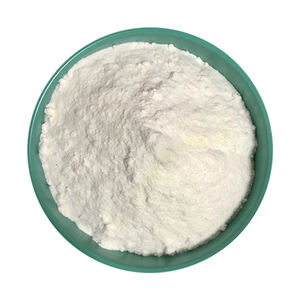
Premium silicon nitride for ceramics, refractories, and electronics. Exceptional quality, reliable supply, and competitive rates.

Silicon Nitride: The Secret Weapon for Tougher Solar Panels? .

(The Potential Of Silicon Nitride Materials In Solar Cell Encapsulation Films Is Huge)
Sunshine is complimentary. Turning it right into reputable electricity? That requires tough technology. Maintaining photovoltaic panels functioning successfully for years, fighting extreme climate and unrelenting UV rays, is a constant obstacle. The slim safety layer covering them, the encapsulation film, is their frontline protection. Now, most depend on polymers like EVA. However an effective opposition is arising: Silicon Nitride. This ceramic product isn’t new to technology, but its capacity in solar movies is enormous. Let’s check out why Silicon Nitride could be the future armor for our solar panels.
1. Just What is Silicon Nitride? .
Forget lightweight plastic for a minute. Think hard ceramic. Silicon Nitride (commonly created as Si3N4) is an artificial material made by home heating silicon and nitrogen under exact conditions. It’s not some lab-only interest. You locate it in high-performance round bearings, cutting devices, even medical implants. Its strength is famous. But what makes it unique for solar?
It’s incredibly difficult. Assume diamond-level hardness. It chuckles off scratches and abrasion. It deals with warmth magnificently. Silicon Nitride does not thaw quickly and handles temperature level swings without breaking. It’s chemically inert. Many stuff in the environment doesn’t bother it. Crucially, it’s an amazing obstacle. It obstructs small particles like water vapor and oxygen much better than plastics. It additionally stops harmful ultraviolet light cold. These residential properties howl “ideal solar panel protector.”.
2. Why Use Silicon Nitride for Solar Encapsulation? .
Current films, primarily ethylene-vinyl acetate (EVA), job okay however have weaknesses. They break down gradually. UV light breaks them down. Moisture sneaks in. Oxygen creates rust. Heat increases all these problems. This destruction causes yellowing, delamination, and power loss. Silicon Nitride tackles these head-on.
Its obstacle homes are game-changing. Envision a shield that barely lets any kind of water vapor through. That’s Silicon Nitride. This dramatically slows down the rust of the delicate metal contacts inside the solar cell. It blocks UV light entirely. No more UV damage to the movie itself or the sensitive cell layers beneath. Its thermal stability is unmatched. Warm environments? No worry. Silicon Nitride will not soften or move like polymers can. Its solidity provides the whole panel surface unbelievable scrape and wear resistance. This sturdiness converts directly to longer panel life and more secure power outcome year after year.
3. How Could Silicon Nitride Be Utilized in Solar Films? .
We aren’t discussing replacing the whole film with a strong ceramic slab. That would certainly be hefty and fragile. The smart technique makes use of Silicon Nitride as a thin, safety layer within the existing movie framework. Think about it like adding an invisible, super-tough coating.
One way is depositing a really thin layer of Silicon Nitride directly onto the polymer film. Strategies like sputtering or chemical vapor deposition (CVD) can do this precisely. Another approach produces composite films. Tiny Silicon Nitride particles are blended into the polymer resin prior to it’s developed right into a sheet. These particles act like millions of tiny shields, reinforcing the plastic and blocking UV and dampness paths. The goal is to keep the movie versatile enough for making while including that essential Silicon Nitride sturdiness and obstacle power specifically where it’s needed most– shielding the solar battery.
4. What Applications Could Benefit A Lot Of? .
The prospective reaches much beyond common rooftop panels. Any type of solar application demanding extreme longevity and long life is a prime candidate. Consider harsh environments. Desert solar farms face brutal UV radiation, sand abrasion, and substantial temperature swings. Silicon Nitride encapsulation could be a game-changer below, stopping rapid deterioration. Offshore solar installations are arising. They fight continuous salt spray and high humidity. Silicon Nitride’s extraordinary moisture barrier would be indispensable. Building-integrated photovoltaics (BIPV) turn roof coverings and frontages into power generators. These panels require to last as long as the building itself. Silicon Nitride provides the durability called for. Space photovoltaic panels run in the most severe atmosphere possible: extreme radiation, atomic oxygen, and wild temperature level cycles. Silicon Nitride’s intrinsic radiation tolerance and stability make it a strong contender for future space goals. Even common panels in much less extreme areas benefit. Longer warranties and more power generation over 30+ years come to be attainable.
5. Silicon Nitride Solar Films: FAQs .
People naturally have concerns concerning this brand-new technique. Here are some usual ones:.
Is it also expensive? High-purity Silicon Nitride isn’t affordable. However the secret is making use of very slim layers or small amounts in composites. The price per panel might enhance slightly. The payoff originates from substantially longer panel life and much less power loss over time. This typically implies lower total expense per kilowatt-hour generated. Production scaling will also assist bring expenses down.
Will the movie come to be breakable? Pure Silicon Nitride is weak. Using it as a slim finishing or as fragments distributed in a flexible polymer avoids this. The composite film maintains necessary versatility for installation while gaining strength.
How does it impact effectiveness? Effectively designed, Silicon Nitride layers can be optically transparent to sunshine. They shouldn’t obstruct the light the solar battery requirements. Some styles could even improve light capturing or minimize reflection, possibly increasing effectiveness a little. The primary gain is protecting against the effectiveness drop brought on by deterioration.
Is it suitable with existing production? This is a hurdle. Existing solar panel lines are optimized for polymer films. Adding a deposition action for Silicon Nitride or processing composite movies needs brand-new tools and process tweaks. The market needs to adapt, yet the lasting benefits are engaging.

(The Potential Of Silicon Nitride Materials In Solar Cell Encapsulation Films Is Huge)
When will we see this in genuine panels? Research and development are energetic. A number of business and laboratories are dealing with models and scaling up production methods. Pilot projects evaluating Silicon Nitride films in real-world conditions are likely the following step. Extensive fostering may take a couple of years, however the energy is building. The capacity is merely too large to overlook.
RELATED POSTS
Lawsuit Claims that Skittles are ‘Unfit for Human Consumption’ because of Titanium Dioxide

Tin Antimonide (SnSb) CAS 28980-49-6 Powder Semiconductor Materials

Advantages of cow weighing and EID system and introduction of average beef cow weight

What Is Manganese Dioxide